
Choosing between different garden design styles can feel overwhelming, especially when you want an outdoor space that looks attractive, suits your home and works for everyday life. From sleek contemporary gardens to relaxed cottage-style planting, each approach offers something different.
The right choice depends on more than appearance. Your property’s character, garden size, lifestyle, maintenance preferences and budget all play a part.
You also don’t necessarily need to start from scratch. Existing paving, gravel, established plants and other garden features can often be incorporated into a new layout, helping you make the most of what you already have.
This guide explores five popular garden styles, how to choose between them and practical ways to create a garden that feels right for your home without unnecessary expense.
Which Garden Design Style Is Right for You?
The best garden design style is one that complements your property, supports how you use your outdoor space and matches the time and money you want to spend maintaining it.
Contemporary and modern gardens suit homeowners who prefer clean lines and organised spaces. Traditional gardens offer timeless structure, while cottage gardens favour natural-looking planting and informal layouts. Low-maintenance gardens focus on reducing regular upkeep without sacrificing appearance.
You don’t have to follow one style exclusively. Combining elements from different approaches can create a more personal and practical garden.
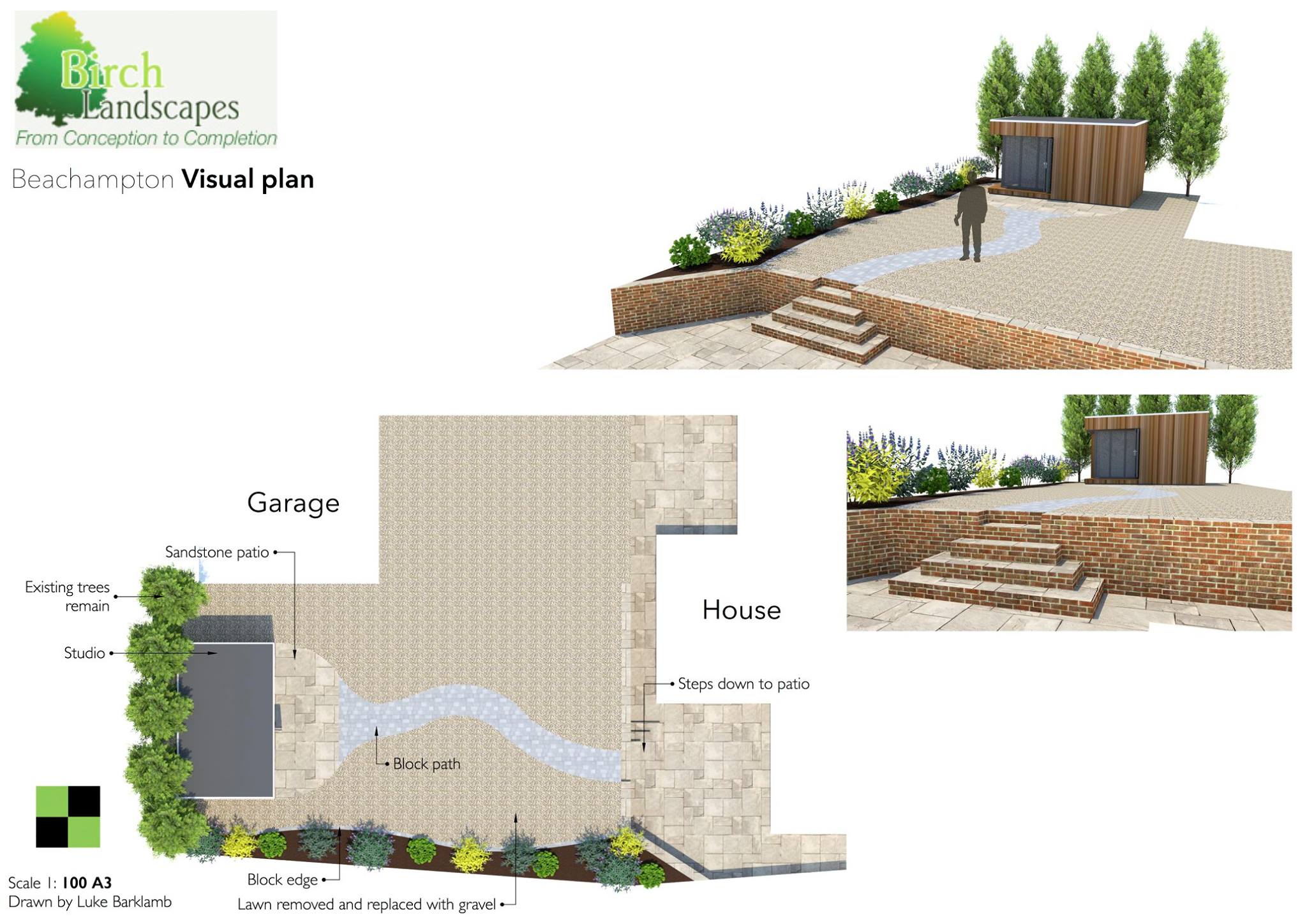
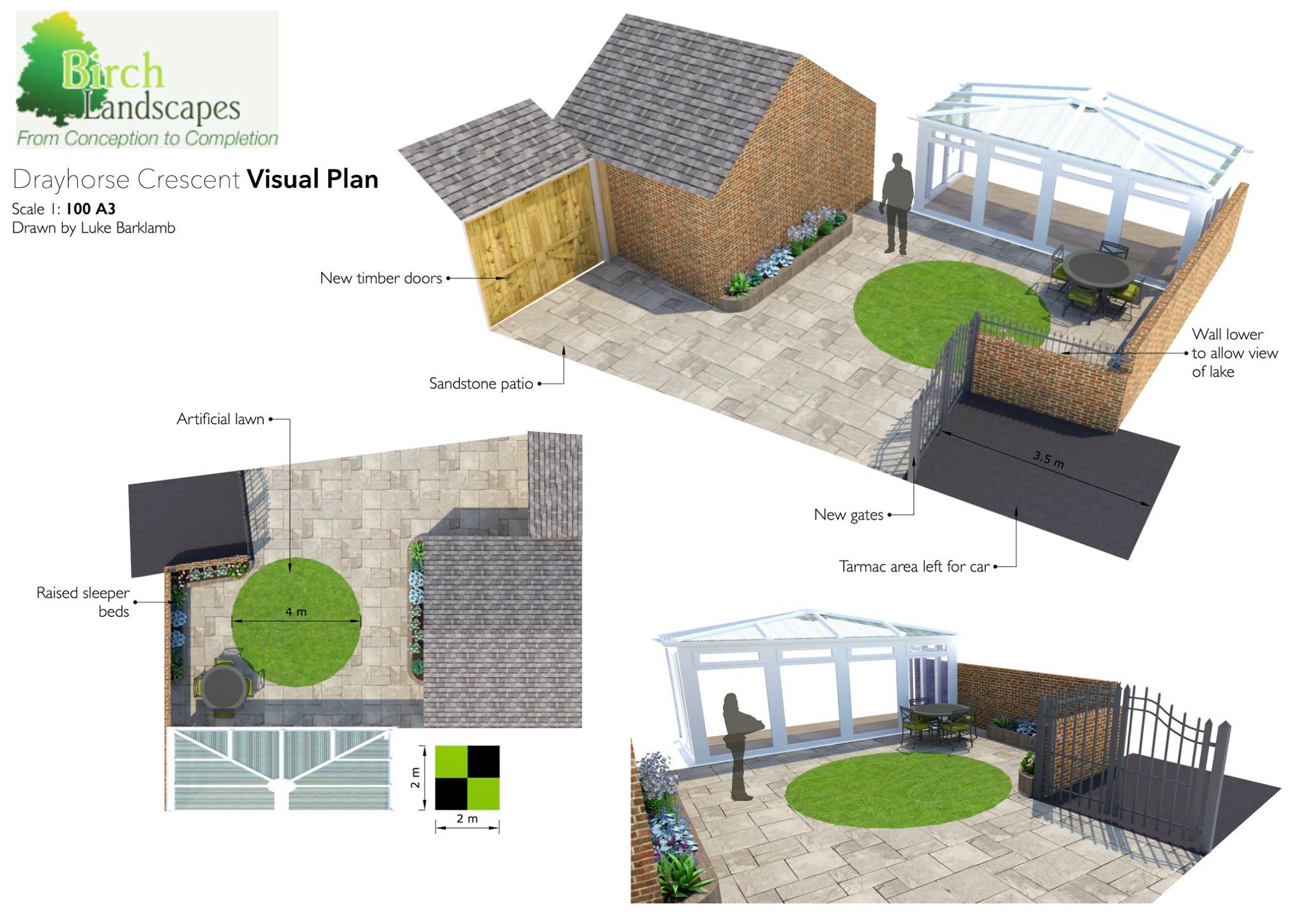
Five Popular Garden Design Styles Explained
Understanding the main characteristics of each style makes it easier to identify which features would work in your own garden.
1. Contemporary Garden Design: Clean Lines & Outdoor Living
Contemporary garden design focuses on simple layouts, defined spaces and materials that create a coordinated appearance. These gardens often extend the living space of the home, with patios, seating areas and planting arranged around everyday use.
Common features include:
- Large-format porcelain paving or other consistent surface finishes.
- Straight pathways and clearly defined planting beds.
- Raised planters and structured greenery.
- Neutral colours with contrasting textures.
- Integrated seating and carefully positioned garden lighting.
Contemporary gardens can work particularly well alongside newer properties, although the style can also complement older homes when materials are chosen carefully.
What to consider: A simple-looking design still requires attention to detail. Paving levels, drainage, edging and the relationship between different surfaces all influence the finished result.
For example, a garden with an existing patio might only need improved planting, a clearer pathway and updated borders to achieve a more contemporary appearance.
If you’re considering changes to your outdoor seating area, explore our patio design and installation options.
2. Modern Garden Design: Minimalist & Functional
Modern and contemporary garden design share many characteristics, and the terms are often used interchangeably. However, modern gardens are frequently associated with a more minimalist appearance, geometric shapes and a restrained selection of materials.
Rather than filling every available space, modern garden design uses fewer features to create a deliberate, uncluttered layout.
Typical elements include:
- Geometric lawns and rectangular planting areas.
- A limited palette of paving, timber and decorative stone.
- Repeated planting varieties for consistency.
- Simple fencing and screening.
- Carefully selected focal points.
A modern garden can be particularly effective in smaller spaces where too many competing materials or features would make the area feel busy.
What to consider: Minimalist doesn’t automatically mean maintenance-free. Large paved areas still need cleaning, while neatly shaped hedges and structured planting may require regular attention.
The key is choosing features that are both visually appealing and manageable over time.
3. Traditional Garden Design: Timeless & Balanced
Traditional garden design creates a sense of familiarity through established materials, balanced layouts and carefully arranged planting.
These gardens often complement period properties, older family homes and outdoor spaces where existing architectural features are worth preserving.
Popular characteristics include:
- Natural sandstone or traditional-style paving.
- Defined lawns and established borders.
- Brick edging, pathways and garden walls.
- Symmetrical layouts or balanced planting arrangements.
- Shrubs, perennials and seasonal flowers.
Traditional gardens can be formal or relaxed, depending on the property and personal preference.
A central lawn surrounded by planting beds, for example, creates a familiar layout that can accommodate outdoor seating, children’s activities and seasonal colour.
What to consider: Traditional gardens can involve more ongoing maintenance, particularly where lawns, hedges and densely planted borders are included.
However, choosing suitable plants and keeping the layout straightforward can make a traditional garden easier to manage.
4. Cottage Garden Design: Colourful, Natural and Informal
Cottage gardens favour softer shapes, abundant planting and a relaxed appearance.
Instead of relying on rigid lines and carefully separated features, this style encourages plants to grow together, creating layers of colour, texture and seasonal interest.
Typical cottage garden features include:
- Curved pathways and informal planting beds.
- Natural stone, gravel or reclaimed-looking materials.
- Flowering perennials, shrubs and climbing plants.
- Mixed planting heights and textures.
- Informal seating areas surrounded by greenery.
Plants such as lavender, hardy geraniums, salvias and roses can help establish a cottage garden character, provided they suit the available light, soil and growing conditions.
Cottage-style gardens are particularly appealing to homeowners who enjoy gardening and want a space that changes throughout the seasons.
What to consider: Although the finished appearance is informal, successful cottage gardens still benefit from careful planning.
Plants need enough room to establish, pathways should remain accessible and borders require ongoing attention.
You can introduce cottage garden character without completely changing your layout. Softening existing paving with planting or adding raised garden beds can make a noticeable difference.
5. Low-Maintenance Garden Design: Practical & Easy to Manage
Low-maintenance garden design isn’t one particular visual style. It’s an approach that reduces the time and effort needed to keep an outdoor space looking good.
It can incorporate contemporary, traditional or natural-looking features depending on your preferences.
Common low-maintenance garden ideas include:
- Durable paving with accessible edges for cleaning.
- Gravel or planted areas that reduce the amount of lawn.
- Carefully selected shrubs and hardy perennials.
- Mulched borders that help suppress weeds and retain soil moisture.
- Defined planting beds that are easy to reach.
- Simple layouts with fewer awkward corners.
Low-maintenance gardens can suit busy households, homeowners who travel frequently or anyone who wants to spend more time enjoying their garden than maintaining it.
What to consider: Replacing every planted area with paving isn’t necessarily the best solution.
Hard surfaces still require cleaning and maintenance, while a thoughtfully designed planting scheme can become relatively manageable once established.
The aim should be to reduce unnecessary work while retaining enough greenery to create an attractive, comfortable outdoor space.
For further guidance, the Royal Horticultural Society’s low-maintenance gardening advice offers practical ideas for reducing regular garden tasks.
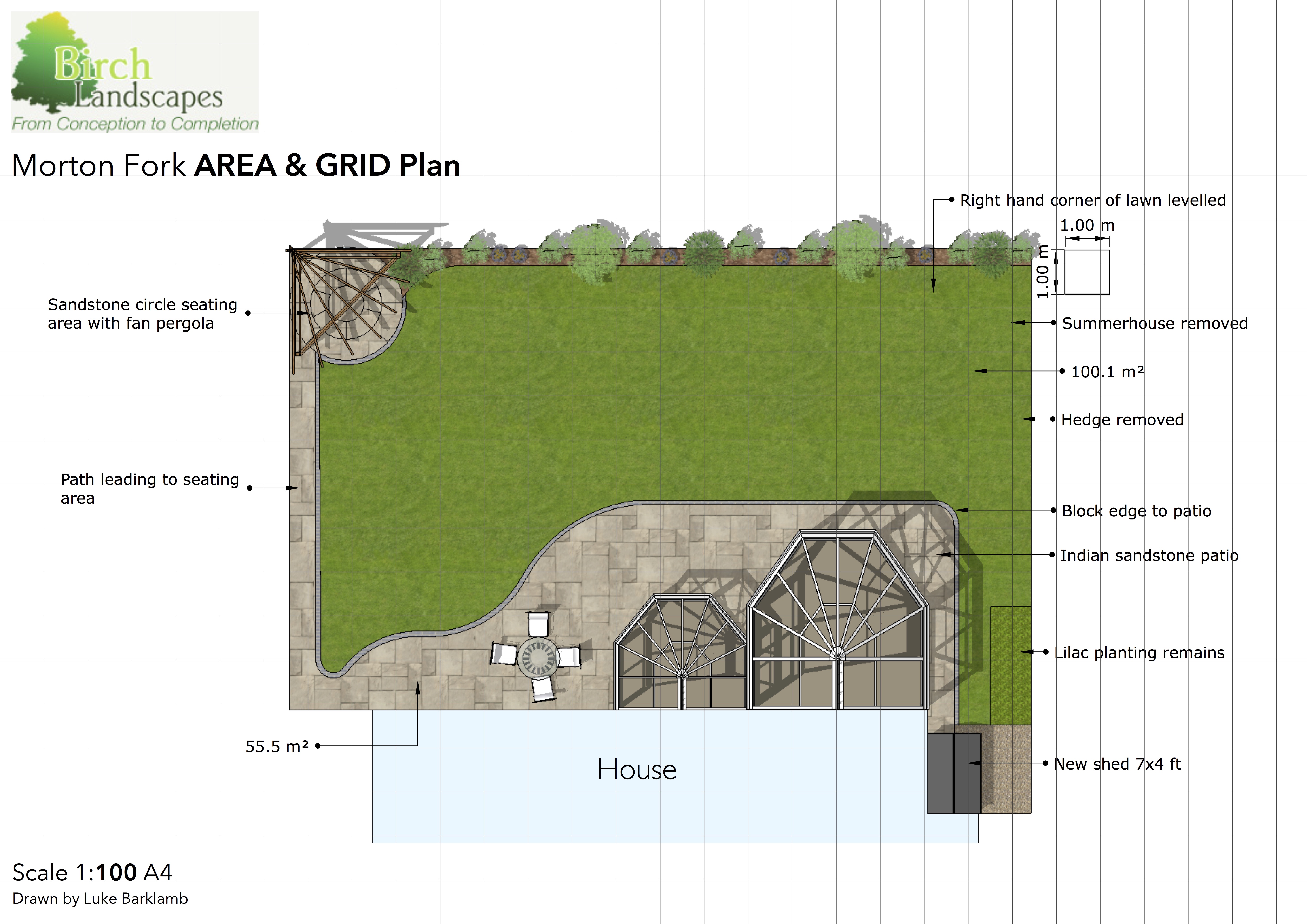
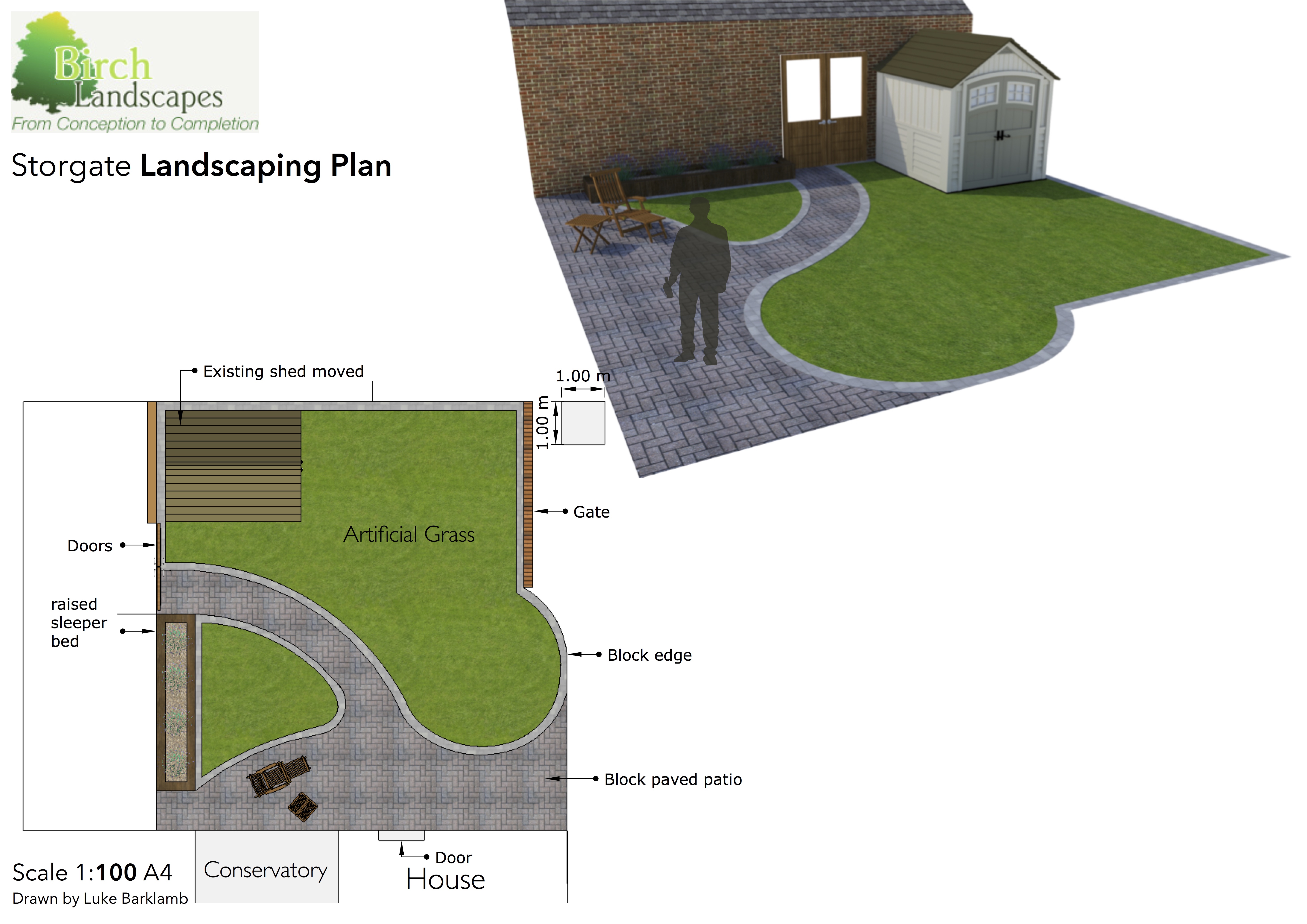
Comparing Garden Design Styles at a Glance
The following comparison can help narrow down your options before deciding on materials or a new layout.
| Garden Style | Overall Look | Typical Features | Maintenance | Budget Considerations |
| Contemporary | Clean and structured | Porcelain paving, defined borders, lighting | Low to moderate | Large-format paving and detailed finishes can increase costs |
| Modern | Minimalist and geometric | Simple materials, repeated planting, straight lines | Low to moderate | Fewer features may help control costs, but precision matters |
| Traditional | Timeless and balanced | Lawns, sandstone, brick edging, established planting | Moderate | Existing lawns and borders may be retained |
| Cottage | Colourful and informal | Mixed planting, gravel paths, curved borders | Moderate to high | Existing plants and natural materials can be incorporated |
| Low-maintenance | Practical and adaptable | Durable surfaces, shrubs, mulched borders | Generally lower | Initial material choices influence long-term upkeep |
These are general characteristics rather than fixed rules. Installation costs and maintenance requirements depend on the materials, planting, garden conditions and complexity of the design.
How to Choose a Garden That Suits Your Home & Lifestyle
A garden can look impressive in photographs but feel impractical if it doesn’t accommodate the way you live.
Before committing to a particular design, consider the following factors.
Start With Your Property’s Character
Look at the architecture, brickwork, existing boundaries and materials around your home.
A contemporary property may suit geometric paving and structured planting, while an older home might benefit from natural stone and softer landscaping.
These aren’t strict rules. Contrasting styles can work well when colours, proportions and materials are considered together.
Think About How You’ll Use the Garden
Consider what you want your outdoor space to provide.
Do you need somewhere for family meals, a lawn for children, a peaceful seating area or space for growing plants?
A garden designed primarily for entertaining may benefit from a generous patio and clear access from the house. A garden intended for relaxation might prioritise privacy, planting and comfortable seating.
These practical requirements should influence the layout before decorative details are chosen.
Be Realistic About Maintenance
Think about how much time you’re willing to spend mowing, pruning, weeding and cleaning.
A densely planted cottage garden may be enjoyable for someone who loves gardening but less suitable for a household wanting minimal upkeep.
Likewise, an expansive lawn can be attractive and versatile, but it needs regular care during the growing season.
Choosing the right balance between natural lawns and artificial grass, planted borders and hard landscaping can help establish a manageable outdoor space.
Consider Sunlight, Drainage & Garden Size
Your garden’s conditions will influence which ideas are practical.
A shaded garden may require different planting choices from a sunny, exposed space. Sloping ground can affect patio positioning, pathways and drainage.
Smaller gardens often benefit from a clear layout and a limited selection of materials, while larger gardens may accommodate several distinct areas.
Understanding these conditions early helps avoid choosing features that are unsuitable for the space.
How to Redesign Your Garden Without Starting From Scratch
One of the most useful ways to manage a garden makeover budget is to assess what already works before deciding what needs replacing.
A complete redesign doesn’t always require removing every existing feature. Retaining suitable materials, mature plants and established landscaping can help reduce unnecessary work and preserve the garden’s character.
Reuse Existing Paving Where Practical
An older patio doesn’t necessarily need replacing simply because the surrounding garden feels dated.
If the paving is structurally sound, correctly laid and suitable for continued use, it may be possible to retain it within a revised layout.
For example, an existing sandstone patio could become the main seating area of a traditional garden, with new planting beds and gravel paths providing a refreshed appearance.
Individual paving slabs may also be suitable for reuse elsewhere, although lifting and relaying them can involve additional labour.
Before making this decision, assess the paving’s condition, stability, levels and drainage. Loose slabs, poor falls or an unsuitable base may make replacement more sensible.
Make Better Use of Existing Gravel
Gravel can work with several garden design styles, including contemporary, cottage and traditional layouts.
An existing gravel area might be retained as a pathway, used to define planting beds or incorporated around a seating area.
Where gravel is being reused, check its condition, depth, underlying construction and suitability for the intended purpose.
Simply moving gravel onto an unprepared area may lead to weed growth, uneven surfaces or ongoing maintenance problems.
Keep Healthy, Established Plants
Mature shrubs, trees and established borders can be valuable features in a garden redesign.
They provide height, structure, screening and seasonal interest that new planting may take years to achieve.
Rather than removing everything, consider which plants could remain as part of the new layout.
For example, an established shrub border could soften a contemporary patio, while mature climbers might provide a natural backdrop to a cottage-style seating area.
Plants should be assessed for health, mature size and suitability. Relocating established plants isn’t always practical, particularly where extensive root systems are involved.
Refresh Existing Features Instead of Replacing Them
Sometimes relatively focused changes can improve how a garden looks and functions.
Potential improvements include:
- Reshaping existing planting beds.
- Introducing a clearer route between the house and seating area.
- Adding complementary plants around established shrubs.
- Refreshing gravel pathways.
- Improving lawn edges and transitions between surfaces.
- Introducing subtle garden lighting to highlight useful features.
The most effective changes are those that solve a practical problem while improving the overall design.
How to Make the Most of Your Budget
A successful garden transformation isn’t necessarily the one with the most expensive materials or the greatest number of features.
It’s the one that makes the best use of the available space and budget.
Prioritise the areas you use most. If outdoor dining is important, a practical patio may provide more everyday value than decorative features elsewhere.
Keep suitable existing materials. Retaining sound paving, established planting or usable pathways may reduce the amount of replacement work required.
Avoid unnecessary complexity. Complicated paving patterns, multiple level changes and numerous material transitions can increase installation work.
Plan the garden as a whole. Even if improvements are completed in stages, having an overall layout helps ensure each new feature works with the next.
Consider ongoing costs. Some materials and planting schemes may have higher maintenance requirements, so the initial installation price shouldn’t be the only consideration.
A professional garden design can help establish which elements are worth retaining and where investment will make the greatest difference.
Common Garden Design Mistakes to Avoid
Choosing a style is only one part of creating a successful garden. Several common decisions can make an otherwise attractive design less practical.
Choosing Appearance Over Everyday Use
A large patio may look impressive, but it could leave insufficient room for children to play or for the planting you enjoy.
Start with how the space needs to function, then choose a style that supports those requirements.
Using Too Many Different Materials
Combining numerous paving colours, decorative stones, edging styles and fencing finishes can make a garden feel disconnected.
A smaller selection of complementary materials usually creates a more cohesive appearance.
Removing Established Features Too Quickly
Replacing healthy planting or usable hard landscaping without assessing it first can create unnecessary expense.
Identify what could be retained before finalising the new design.
Forgetting How Plants Will Grow
New planting can look sparse initially, but shrubs and perennials need room to reach their mature size.
Allowing for future growth helps prevent overcrowding and excessive pruning.
Overlooking Drainage & Ground Conditions
Changes to paving, garden levels and planting areas can affect how water moves through the space.
Drainage and ground preparation should be considered during planning rather than after installation.
Garden Design Ideas for Different Types of Properties
Homes in Milton Keynes and the surrounding areas range from newer developments to established properties with mature gardens. The starting point can influence which design choices make sense.
For a newer property with a relatively blank garden, the priority may be establishing usable zones, creating privacy and introducing planting that will develop over time.
An established garden may already contain valuable trees, shrubs, lawns or paved areas. In these cases, a redesign can focus on improving the layout while retaining features that contribute to the garden’s character.
For smaller outdoor spaces, combining a practical seating area with vertical planting, carefully positioned borders and a consistent material palette can help avoid a cluttered appearance.
Whatever the property type, the aim is to create a garden that feels connected to the home and supports the way it’s used.
Create a Garden That Reflects You
The right garden design should feel like a natural extension of your home, combining the appearance you prefer with the practical features you need.
Whether you’re drawn to contemporary simplicity, traditional landscaping, cottage-style planting or a low-maintenance layout, thoughtful planning can help you make better use of your outdoor space.
It’s also worth remembering that a successful transformation doesn’t always require starting again. Existing paving, gravel and established plants may provide a useful foundation for a refreshed design.
At Birch Landscapes, we help homeowners explore practical ways to improve their gardens, considering the layout, materials, planting and existing features together.
If you’re planning changes to your outdoor space, explore our garden design services or contact our team to discuss your ideas, priorities and budget.